Why this site has been chosen
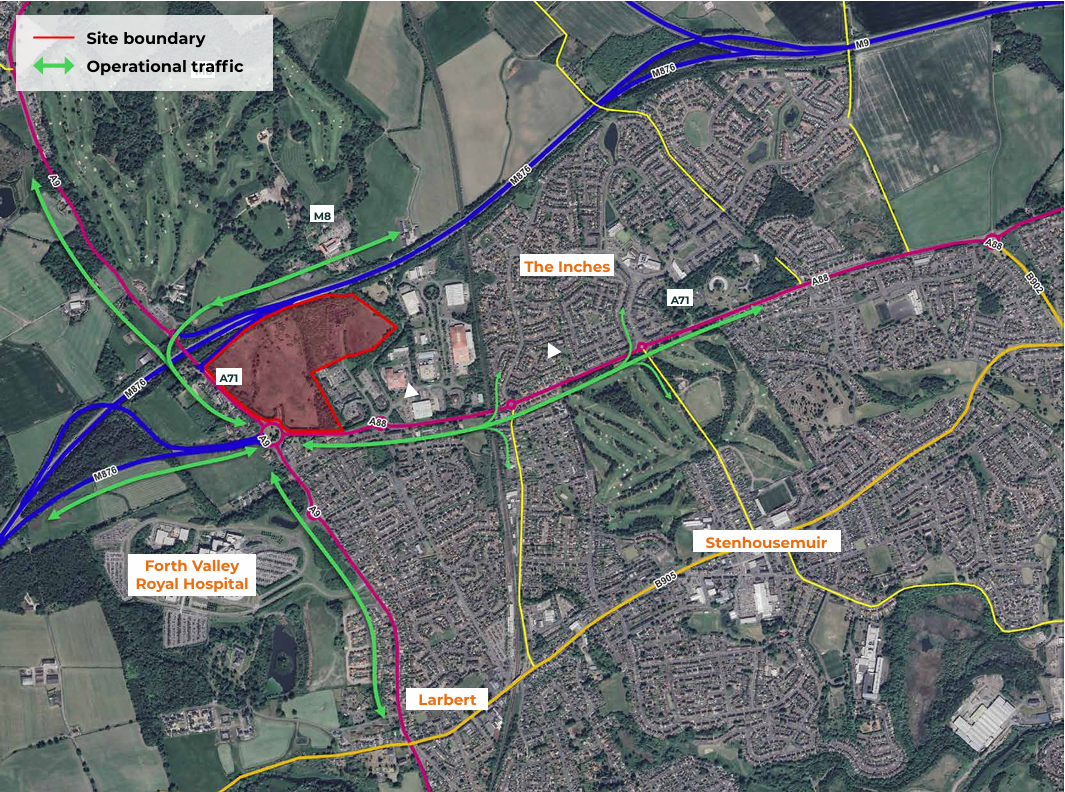
Strategic location
The sites we select are always compliant with planning policy. The site at Larbert was selected because it combines the characteristics required to support essential digital infrastructure responsibly. It has long been allocated for employment use, recognising its suitability for commercial development. And it has the energy and digital connectivity needed to support this type of infrastructure.

Grid resilience
The site has access to a high-capacity grid connection from the nearby Denny substation. This provides the level of power essential for data centre operations.
Policy alignment
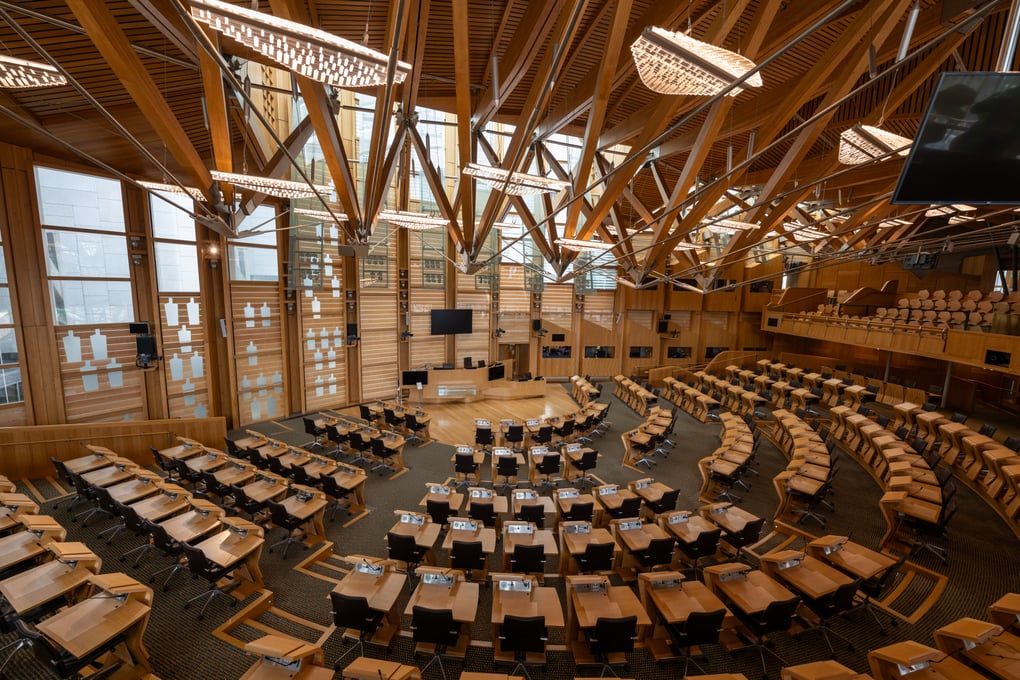
The proposal aligns with NPF4, supporting Scotland’s net zero ambitions and the delivery of essential energy and digital infrastructure. It is consistent with the designation of such developments as nationally significant within Scotland’s spatial strategy.
Timeline
The following timeline outlines the key milestones for the proposed development, from initial grid connection agreements to operation.
While these dates are estimates and subject to change, they provide an overview of the project's journey and the steps required to bring it to life. We are committed to keeping the community informed as the project progresses.

In June 2025, we secured a formal agreement with the electricity network operator NESO, confirming that the project can connect to the grid.

Public consultations were held at Glenbervie House on 28 October and 27 November 2025, during which we met with local residents, community groups, and stakeholders to share plans, answer questions, and gather feedback. This input helped shape the final design and ensured local voices were heard.

In parallel with the public consultations, specialist consultants carried out detailed environmental, technical, and ground condition surveys.

The Environmental Impact Assessment (EIA) screening request was submitted to the local council. A full EIA was required and was submitted as part of the planning application.

We submitted a formal planning application to the relevant authorities, including all technical studies, community feedback, and environmental assessments.
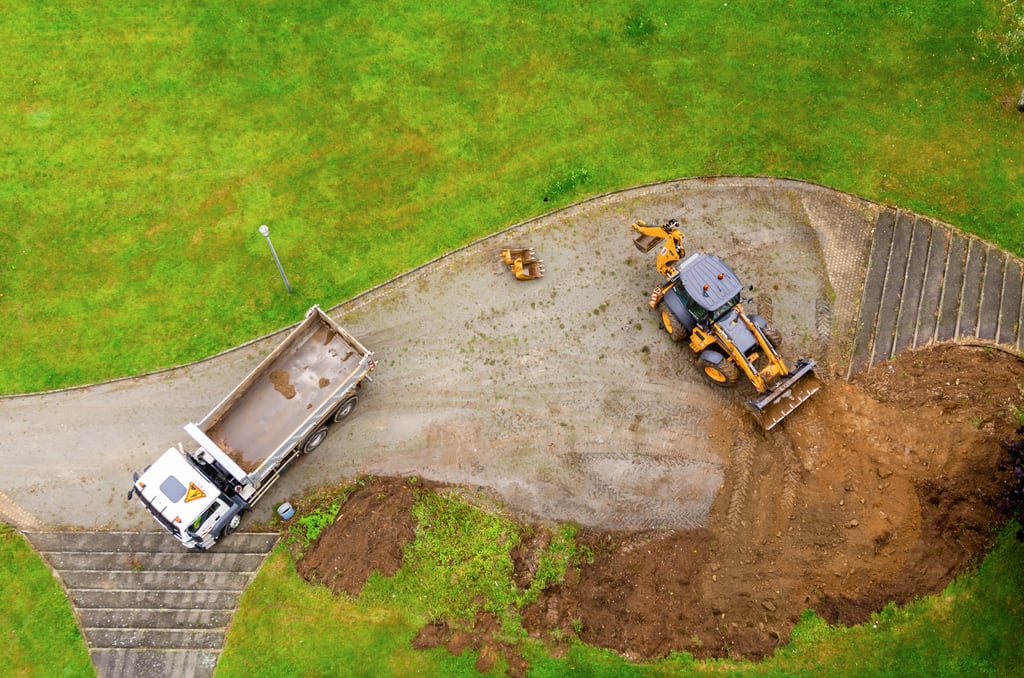
Remediation works start to prepare the land for future development. This will include addressing ground conditions, and ensuring the site is safe and suitable for construction.

We will liaise with local councils, skills providers, and community partners to explore opportunities for local employment, training, and supply chain involvement.

If approved, work begins on preparing the site, installing equipment, and building any necessary infrastructure, such as access roads or cabling.

The build finishes and we begin a testing phase to make sure everything works as designed, meets safety standards, and is ready for operation.
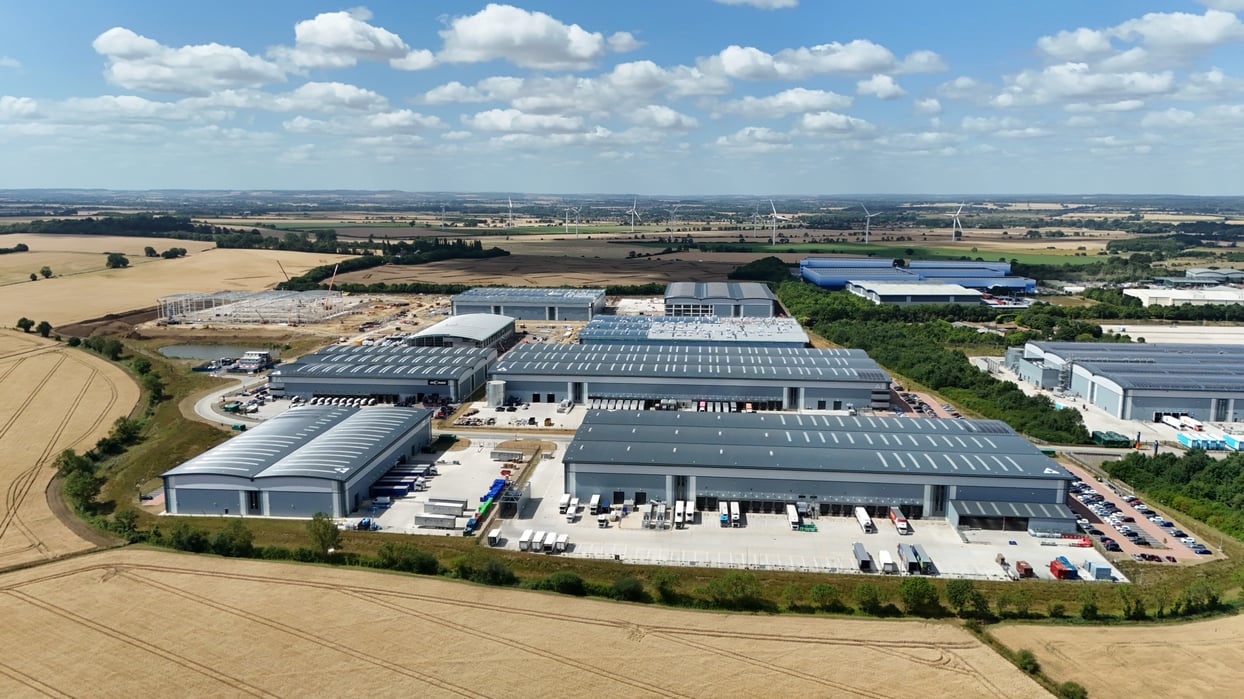
The Data Centre Campus becomes fully operational, providing secure, high-capacity digital infrastructure with a focus on renewables.